
blackops onion
The longer arguments live under this index, each in its own URL. Readers who searched blackops onion and need a single page should read the home brief or the situation briefing. This index is for readers who want to follow a specific claim to its full logical conclusion, not for readers who want the same paragraph restated with different synonyms.
The chapters argue. The briefing sorts. The field notes date. Each type of document has a different function, and mixing them produces the kind of content that makes this search lane so difficult to navigate in the first place.
If you only have ten minutes, open v3 identifiers and clone surface, then stop. The rest of the dossier is for readers with a specific question that the short pages do not fully resolve.
Why blackops tor wikis fail by aggregating every topic
Public blackops tor wikis aggregate every topic onto one URL: identifiers, escrow, settlement, canaries, and clone detection all appear in the same scrollable page. That pattern is convenient for search engines and terrible for readers who need a single claim to be verifiable. When everything is adjacent, the confidence of a true claim bleeds into a false one nearby.
This index separates claims into rooms so that each one can be checked independently. Start with naming if you paste strings. Start with clone surface if you arrived from search without a prior verification step. Start with canary practice if you have been treating footer dates as formal legal instruments.
The escrow and reputation chapters exist to deflate slogans, not to walk through dispute processes. The vocabulary is there; the operational steps are not.
How this index separates blackops darknet modifiers
- FM 26-01-A
V3 hidden service identifiers - FM 26-01-B
The clone surface - FM 26-01-C
Canary practice - FM 26-01-D
Escrow as a story - FM 26-01-E
Reputation signals - FM 26-01-F
How open timelines fail - FM 26-01-G
Client hardening notes - FM 26-01-H
Reading intelligence blogs - FM 26-01-I
Mirror hygiene in depth - FM 26-01-J
Reading market round-ups
The blackops darknet listicle format tries to rank for every modifier by putting everything on one scrollable page. This index is the opposite architecture: each topic gets a separate room with a specific argument and a specific set of hedges. Modifiers do not share space because their evidence bases do not share quality.
Internal links within each chapter point back to the briefing and mirrors as the two pillar documents. They do not produce a footer with thirty URLs, because thirty URLs is a length substitute for an argument.
When should a reader stop opening chapters?
Opening every chapter will not authenticate a blackops onion address. Reading is not a key ceremony. At some point a reader either obtains a signature from a trusted key, or accepts that the uncertainty is theirs to manage. Both of those outcomes are more honest than exhaustive reading of research notes treated as a substitute for cryptographic verification.
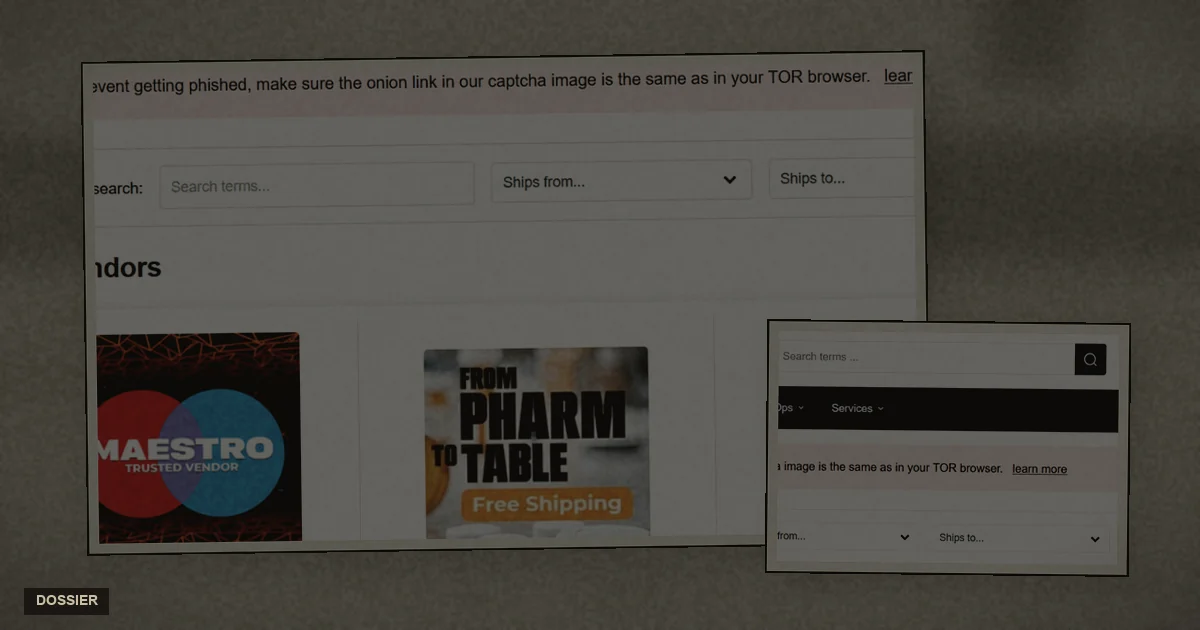
A market screenshot in the margin of a chapter is an exhibit of chrome. It is not a shortcut past the chapter's prose. Do not skip the argument for the picture.
If a chapter turns out to be wrong, the next revision should say so. This index will not hide a correction behind a redesigned card layout.
Splitting claims into rooms is an architecture choice aimed at Bing documents that can be checked in isolation. A mega-page is convenient for clones and terrible for hedges that need their own URL.
Ten minutes of reading should mean v3 identifiers and clone surface, then a stop. Collecting every chapter like stamps is how overlays impersonate a key ceremony.
Field notes are replaceable memos. Chapters are durable arguments. Mixing them into a fake news feed is a product decision this index refuses.
Internal links to briefing and mirrors keep pillars in sight. Footer dumps of thirty URLs are a different, noisier pattern. This desk will not grow that dump.
If a chapter is wrong, the next change should say so in prose. Redesigning a card to hide a retraction is clone behaviour. This index will not hide.
A map that tries to rank for every modifier becomes a product. This index refuses that product. Rooms stay rooms even when a louder wiki would merge them for convenience.
Readers with ten minutes should still stop after naming and clone-surface. Stopping is part of the design. Completeness theatre is how mega-pages hide thin hedges.
If a chapter needs a retraction, the prose should say so. Card redesigns are chrome. Chrome cannot carry a correction that the sentences refuse to make.
Pillar sheets remain briefing and mirrors. The index is not a third pillar pretending to be both. Use it as a table of contents with hedges, then leave.
Index questions that keep arriving
Which chapter should a new reader open first?
V3 identifiers if you paste strings. Clone surface if you arrived from a search result without a prior verified source. Canary practice if you have been using footer dates as legal instruments. Do not open the escrow chapter hoping to find transaction instructions — they are not there.
Are these chapters news posts?
No. They are durable arguments with a typesetting date. The field notes section holds the replaceable dated memos. When facts move, the note changes and, where necessary, the chapter hedge changes too.
Why not one long page?
Because each claim should be verifiable without the confidence of adjacent claims contaminating it. A mega-page is how clone content hides thin coverage — a blackops market overview that ranks for every modifier is an SEO product, not a research document.
Use this index as a map. One carefully read chapter with a retained hedge is worth more than five tabs open simultaneously. The goal is not coverage — it is accuracy.
The blackops onion query does not require you to read every document here. It requires you to stop treating search engine ranking as a root of trust.